The Labirynth
Start from where you haven’t been, then return before you’re finished.
We have more information within reach than ever before, along with countless competing explanations of what it means. Deciding what deserves our confidence requires more than finding a convincing answer.
Every explanation is shaped by the questions asked, the evidence considered, and the assumptions we bring to it.
What happens when we examine those assumptions, change the scale, or look through a different lens?
The Labyrinth explores these edges through physics, cognitive science, mathematics, philosophy, and the connections between them. Each inquiry follows a question through what we know, what remains uncertain, and what might be worth reconsidering.
Sometimes we return with an answer. More often, a deeper question.
How to Explore
Begin with a question
Every inquiry in The Labyrinth begins with something worth questioning. Follow the main article as far as your curiosity takes you. No specialized background is required, and you can explore the underlying science, mathematics, or evidence whenever you’d like to look closer.
Three ways to look closer
Show the mechanism
Follow how a system works. Explore the processes, interactions, and relationships that help explain what we observe.
Show the mathematics
Explore the structure behind an idea. See what the variables represent, how the relationships work, and which assumptions shape the model.
Show the source trail
Follow the evidence. Explore the research behind a claim, distinguish findings from interpretations, and examine where questions remain open.
An inquiry doesn’t always end with an answer. Sometimes the most valuable discovery is a better question, a missing connection, or an assumption we hadn’t thought to examine.
Return to where you began. See what looks different now.
Choose a Thread
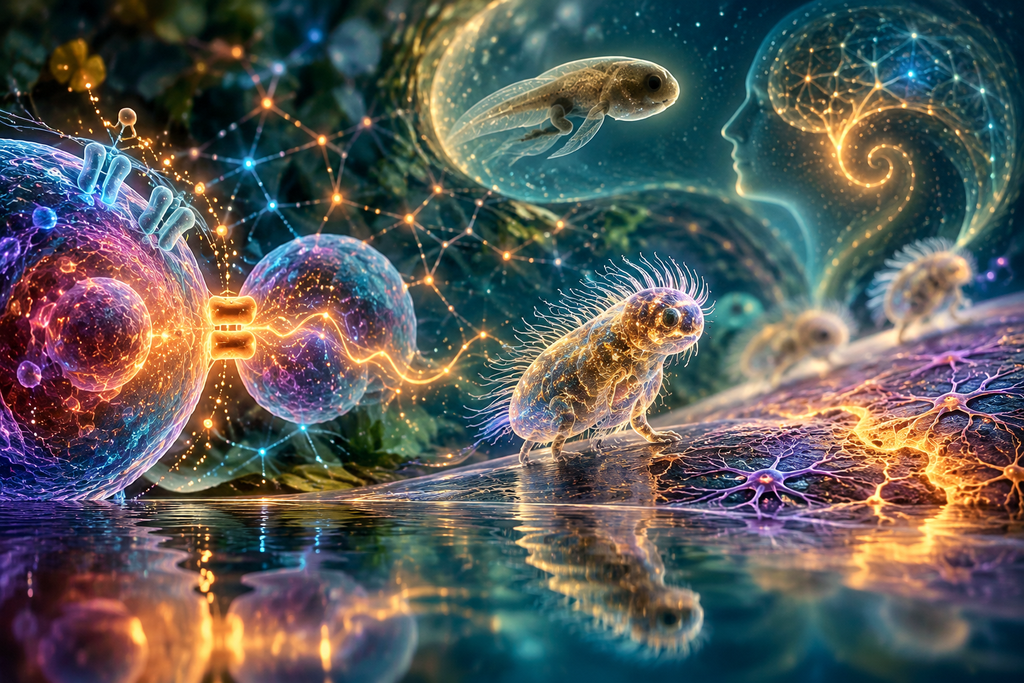
What Comes For Free?
Where does the information come from and what determines the outcomes?
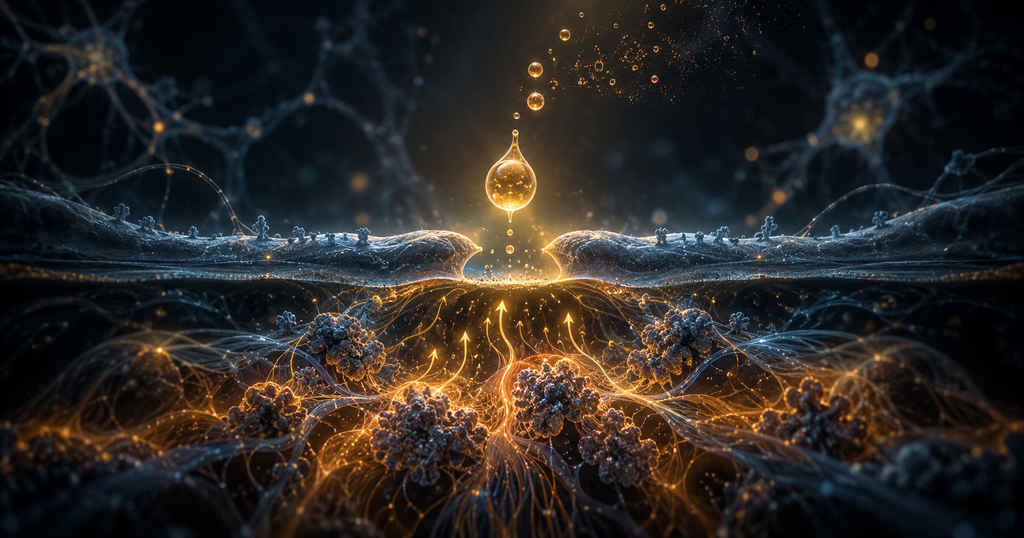
When the Signal Disappears
What changes in the body before withdrawal makes it visible?

Same Body, Different State
How can the past remain present if the system is the same?
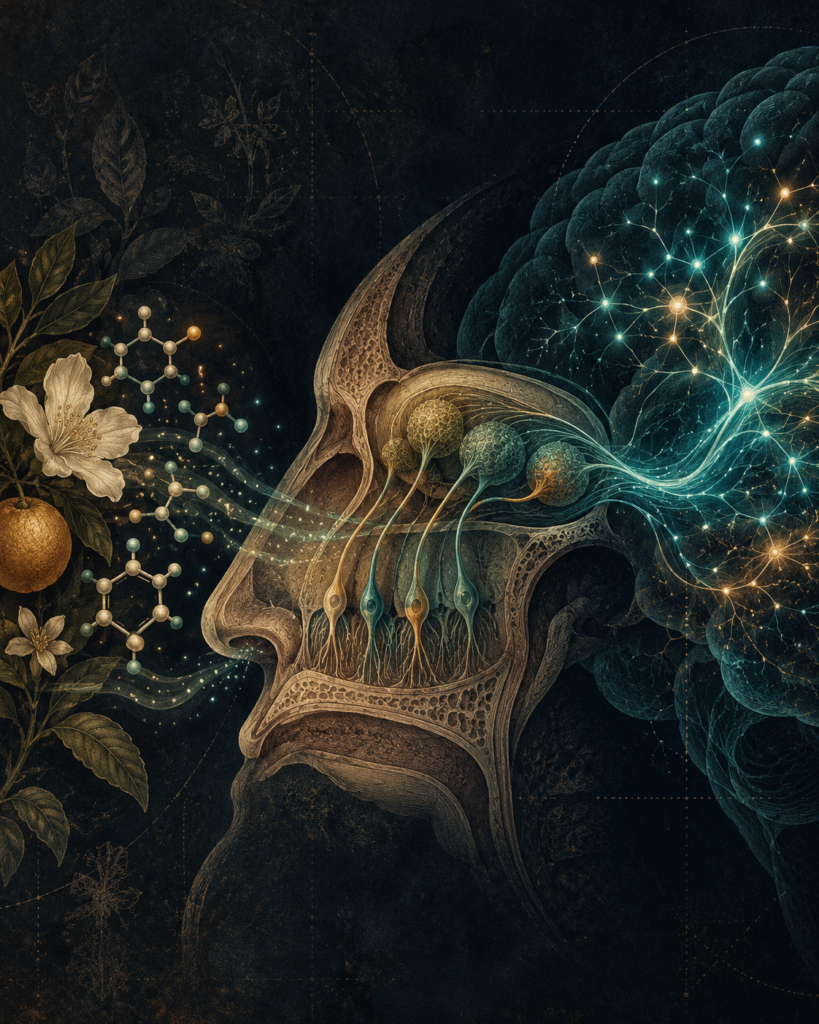
Sensations of Smell
How does a chemical signal become perception?
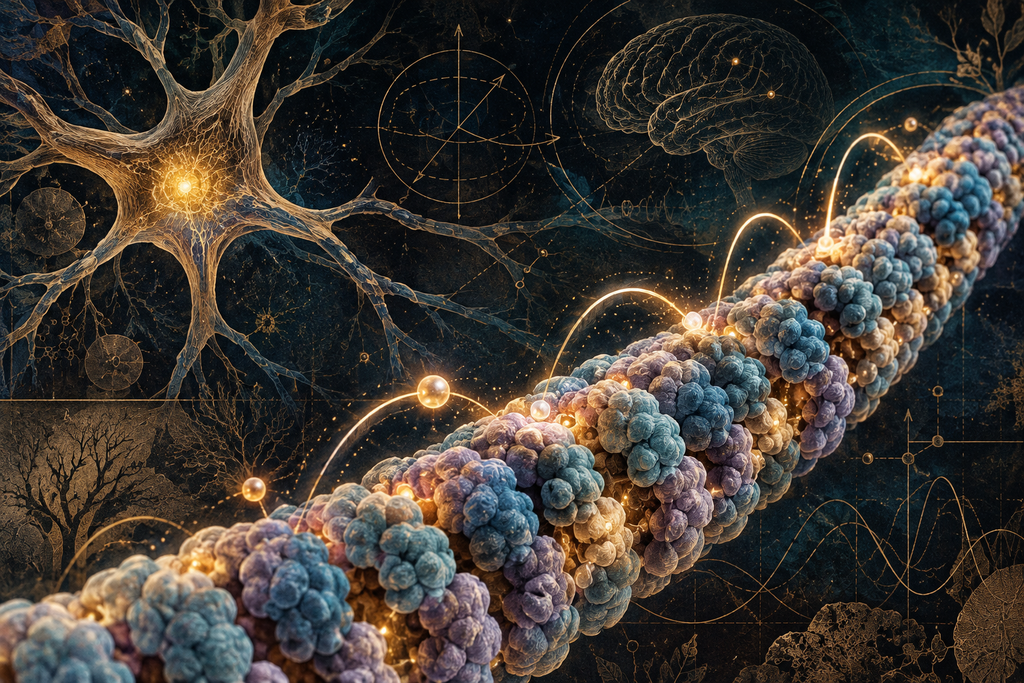
What Happens Inside a Neuron?
When does energy transfer become a coordinated quantum process?

Divergent Path, Similar Patterns
Can different biological paths lead to similar patterns?
Behind the Labirynth
A little about the person following these questions, the experiences that shaped them, and why this space exists.